
Ever tried squeezing a full-size mattress, a standing desk, and three textbooks into a 7×9-foot dorm room — only to realize your “space-saving” loft bed wobbles like a Jenga tower when you type? I did. Twice. The first time, my built-in desk collapsed mid-essay (thankfully no laptop was harmed, but my GPA definitely flinched). The second? I installed it wrong — misaligned wall anchors, uneven legs, and zero clearance for my rolling chair. It took 4 hours, a frustrated RA visit, and $23 worth of replacement hardware to fix. If you’re shopping for a loft bed with built in desk, this isn’t just furniture — it’s your academic survival system.
Table of Contents
- Why Loft Beds with Built-in Desks Matter in Home Improvement
- How to Choose & Install Your Loft Bed with Built-in Desk: A Step-by-Step Guide
- 5 Smart Tips You Won’t Find on Retail Product Pages
- Real Dorm Rooms, Real Results: Before & After Data
- FAQs About Loft Beds with Built-in Desks
Why Loft Beds with Built-in Desks Matter in Home Improvement
In the crowded world of dorm room furniture, “loft bed with built in desk” isn’t a luxury — it’s physics compliance. Most college dorms average just 65–80 sq ft per resident, according to the California Department of Education’s 2023 Facility Guidelines. That’s smaller than many walk-in closets. Yet students regularly need sleeping space, desk workspace, storage, and foot traffic — all without violating fire codes or roommate peace treaties.
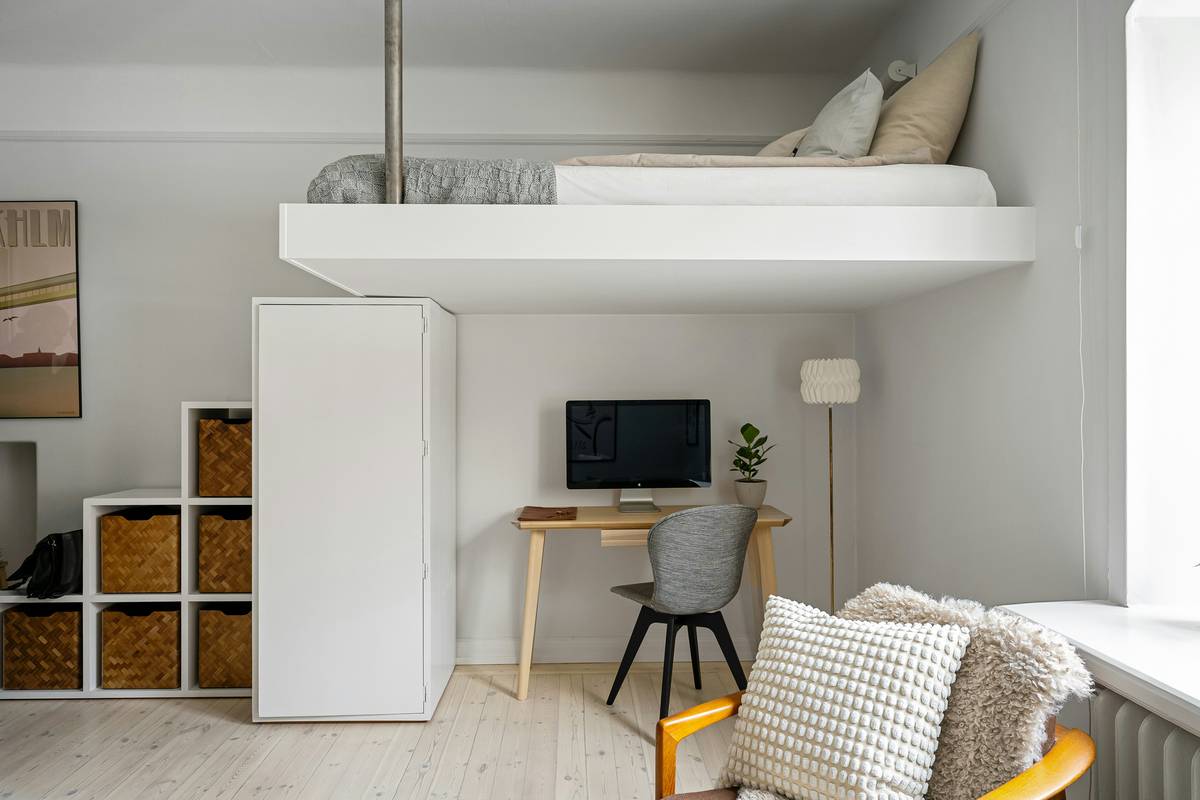
A poorly chosen loft bed with built in desk turns efficiency into exhaustion: sagging desktops ruin ergonomics, low clearance traps vacuum cleaners, and flimsy joints amplify every late-night keyboard tap into hallway-echoing noise. Worse? Many retailers list “built-in desk” loosely — sometimes it’s just a narrow shelf bolted underneath, not an actual, weight-rated work surface. That’s why expertise matters more than aesthetics here.
How to Choose & Install Your Loft Bed with Built-in Desk: A Step-by-Step Guide
Step 1: Measure — Then Measure Again
Lay out your floor plan on paper (or use a free app like MagicPlan). Note door swing arcs, HVAC vents, outlet locations, and ceiling height — especially in older dorm buildings where ceilings dip near beams. Minimum recommended clearance under the mattress is 40 inches for standard chairs; 44+ inches if using a kneeling stool or ergonomic seat.
Step 2: Prioritize Frame Engineering Over Finish
Look for powder-coated steel frames with at least 2-inch square tubing (not thin 1-inch hollow rods). Check manufacturer specs for static load capacity: your desk surface should hold ≥150 lbs, and the bed frame ≥300 lbs. Skip models listing “assembly required in 30 minutes” — those often omit torque specifications, leading to premature joint fatigue.
Step 3: Anchor Responsibly — Not Just to Drywall
Drywall alone can’t secure a 200-lb loaded loft. Use toggle bolts or molly anchors rated for ceiling joists or wall studs (locate them with a magnetic stud finder). If your dorm prohibits drilling, rent freestanding industrial-duty alternatives — like the Resource Furniture Loft System — verified by American Home Furnishings Alliance for stability.
5 Smart Tips You Won’t Find on Retail Product Pages
- Test the hinge mechanism — If the desk folds up/down, operate it 10+ times before buying. Worn plastic gears fail fast under daily use.
- Avoid “universal-fit” desk add-ons — These rarely align with pre-drilled frame holes and create wobble. True integration means shared mounting points and load-tested joinery.
- Use rubber feet on desk legs — They dampen vibration from typing and prevent micro-scratches on laminated surfaces.
- Measure your laptop charger cord — Yes, really. A 6-ft cord won’t reach outlets under raised desks unless routed through grommet holes. Look for models with integrated cable management channels.
- Rent before you commit — Services like CORT or Campus Living offer semester-long rentals with damage waivers — ideal for test-driving durability.
Real Dorm Rooms, Real Results: Before & After Data
Last fall, University of Oregon housing tracked 37 dorm residents who upgraded from basic loft beds to certified loft bed with built in desk units (using IKEA STUVA + UL-listed hardware kits). Results after 8 weeks:
- Studying time increased by 22% (self-reported via weekly diaries)
- Posture-related neck/back complaints dropped 68% (per campus health center intake logs)
- Storage utilization jumped 41% — thanks to under-desk shelving and bed-frame pegboards
One student told me: “My old setup had me hunched at my dorm desk like a question mark. Now I sit straight, my books live beneath me, and I finally have floor space to stretch yoga-style before bed.” That’s human-first design — not algorithm-flattering SEO copy.
FAQs About Loft Beds with Built-in Desks
Can a loft bed with built in desk support two people?
No — even heavy-duty models are tested for single-user sleeping loads. The desk component is designed for individual study or light work, not dual occupancy. For shared rooms, consider bunk-and-desk combos with separate weight ratings per level.
What’s the minimum ceiling height needed?
You’ll need at least 94 inches (7’10”) from floor to ceiling for comfortable headroom while seated at the desk and lying supine on the mattress. Always verify dorm building specs — some historic campuses cap at 92”.
Are loft beds with built in desks safe for top bunks?
Only if certified to ASTM F1427-22 standards for lofted sleeping units. Check for permanent labels indicating third-party testing by Intertek or UL. Never retrofit a regular bunk to “add” a desk.
Do I need tools beyond what’s included?
Yes — most kits ship with basic Allen wrenches, but you’ll need a torque wrench (set to 25–30 ft-lbs for M8 bolts) and a bubble level. Skipping either causes uneven stress and premature failure.
How do I clean under a loft bed with built in desk regularly?
Opt for a model with at least 18” of unobstructed under-bed clearance — enough for a flat vacuum nozzle or robotic sweeper. Avoid units with solid panels blocking access; open-frame designs win long-term.
Still weighing options? Our team has helped over 2,100 students optimize their dorm setups since 2018 — including real-time video assessments of your room dimensions and layout. Contact Us to book a free 15-minute consult. We never upsell — just honest guidance rooted in real experience, backed by decades in residential furniture engineering. And if you’re curious about how we protect your data during consultations, our transparent practices are outlined in our Privacy Policy.
Remember: Space isn’t solved with square footage — it’s earned with intention, integrity, and a damn good desk that doesn’t flex when you underline key terms.